
Your Ultimate Eco-Friendly Safari Photography Experience in Tanzania
Ruaha National Park, one of the crown jewels of Tanzania’s Southern Circuit, is a dream destination for photographers seeking raw wilderness, massive elephant herds, and ancient baobab-dotted horizons. As Tanzania’s largest national park, Ruaha offers untouched landscapes, dramatic light, and some of the highest densities of elephants in East Africa—making it a paradise for both wildlife and landscape photographers.
Whether you’re an amateur with a smartphone or a professional with a full kit, this guide will help you capture Ruaha’s magic while traveling sustainably.
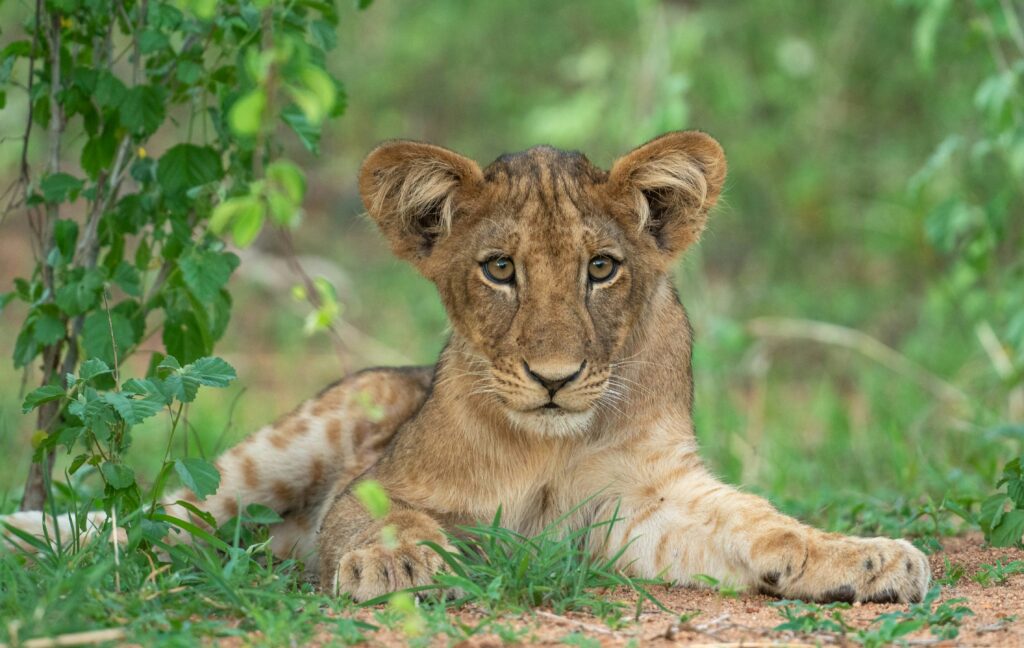
Why Ruaha Is a Photographer’s Dream
1. The Largest Elephant Population in Tanzania
Ruaha is home to over 10,000 elephants, offering photographers intimate encounters with breeding herds, solitary bulls, and dramatic river crossings. During the dry season, elephants gather in large numbers around the Great Ruaha River—perfect for iconic shots.
2. Timeless Baobab Forests
The park’s landscape is dotted with ancient baobabs, some centuries old, creating striking silhouettes against sunrise and sunset. These massive trees bring texture, scale, and storytelling elements to your photos.
3. Untouched Wilderness & Fewer Crowds
Unlike the busy Northern Circuit, Ruaha provides quiet, exclusive photography experiences. No vehicle traffic, no rush—just you, the wildlife, and nature’s rhythm.
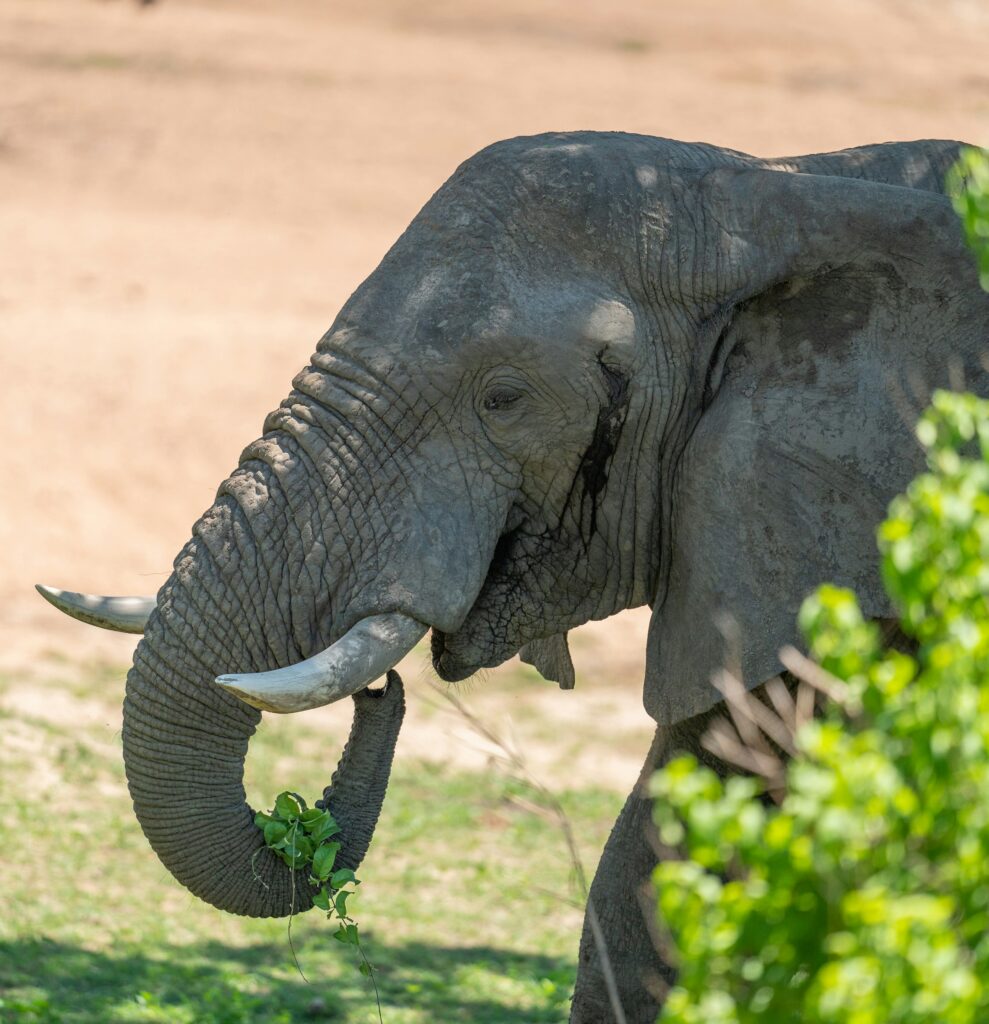
Best Times to Photograph Ruaha
Dry Season (June–October) – Best for Wildlife
- Elephants, lions, and other animals gather around shrinking water sources
- Clear skies and crisp lighting
- Vegetation is sparse, improving visibility
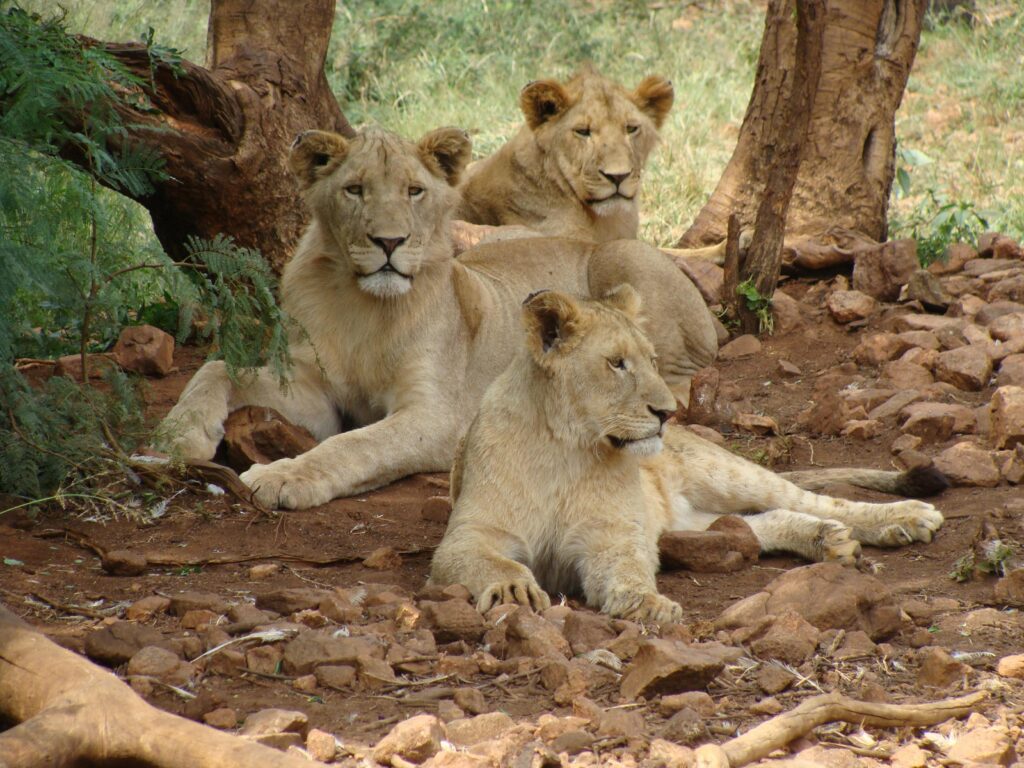
Green Season (December–March) – Best for Landscapes
- Lush greenery and dramatic skies
- Migratory birds arrive
- Baobabs surrounded by fresh growth make stunning compositions
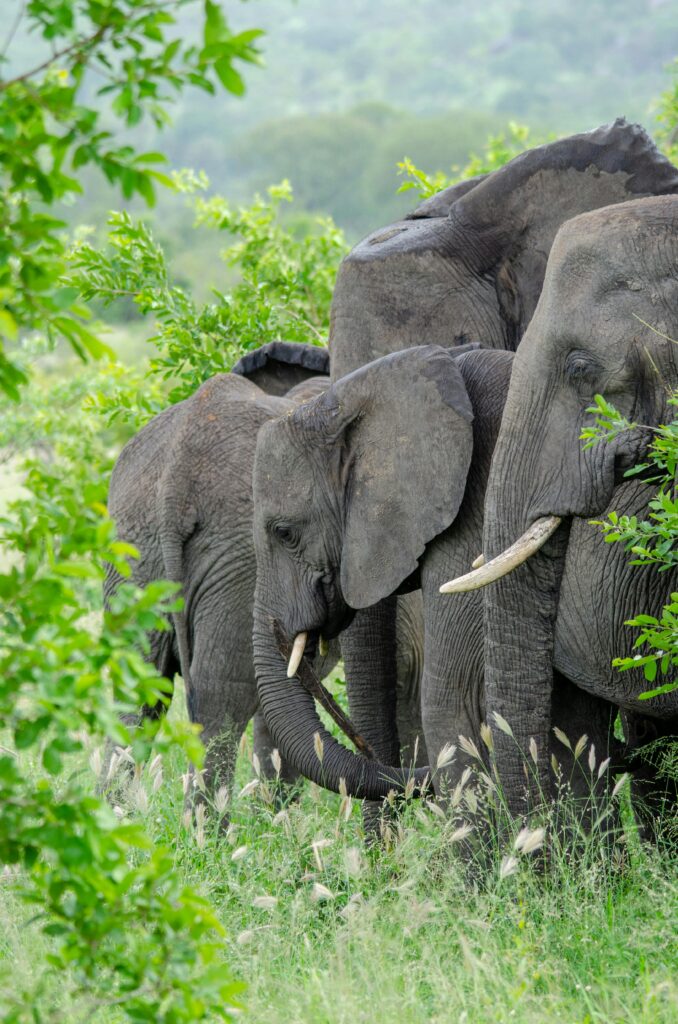
What to Photograph (and How)
1. Giant Elephant Herds
- Best location: Great Ruaha River
- Tip: Use a telephoto lens (200–600 mm) to capture behavior—dust baths, river crossings, family interactions.
- Golden hour adds warm tones to their textured skin.
2. Baobab Silhouettes
- Best time: Sunrise or sunset
- Tip: Position the sun behind the baobab to create iconic rim lighting.
- Wide-angle lenses (16–35 mm) capture the full form and sky.
3. Lion Prides & Hunting Scenes
- Ruaha has one of Africa’s largest lion populations.
- Look for action early in the morning.
- For dramatic predator-prey scenes, increase shutter speed to freeze the moment.
4. The Great Ruaha River
- Flowing through rugged rock formations and vegetation, this river provides natural framing.
- Perfect for drone photography (where permitted only—follow park regulations).
5. Birds & Raptors
- Ruaha has over 570 bird species.
- Ideal subjects include fish eagles, hornbills, and vibrant bee-eaters.
- Fast shutter speeds help capture birds in motion.
Eco-Friendly Photography Tips
Promote conservation while creating content:
- Stay on designated tracks to protect vegetation.
- Keep distance from wildlife: let behavior unfold naturally.
- Respect elephants: they are gentle but need space.
- Avoid drone use unless officially approved.
- Never lure animals by sound or food for photographs.
- Support local eco-lodges and guides who prioritize sustainability.
Essential Camera Gear for Ruaha
- Telephoto lens: 200–600 mm for wildlife
- Wide-angle lens: 16–35 mm for baobabs and landscapes
- Mid-range zoom: 24–70 mm for flexibility
- Fast memory cards & extra batteries
- Beanbag or stabilizer for vehicle shots
- Polarizing filter to enhance skies and reduce glare
If using a phone, consider a telephoto attachment and a mini tripod.
How to Combine Ruaha with Pugu Hills
After immersing yourself in Ruaha’s wilderness, extend your trip with a cultural and eco-tourism experience at Pugu Hills, just outside Dar es Salaam.
This makes a perfect itinerary:
- Start at Pugu Hills: forest walks, caves, birdwatching, cultural tours
- Continue to Nyerere or Mikumi
- End at Ruaha for iconic elephant and baobab photography
This combination delivers both wildlife and cultural immersion—while maintaining sustainable travel principles.
Final Thoughts
Ruaha is a masterpiece of wild Africa—gigantic elephants, ancient baobabs, and sweeping savannas form a natural canvas waiting for your lens. Whether you seek dramatic wildlife encounters or serene landscapes, Ruaha promises images and experiences that stay with you for a lifetime.