
Introduction to Eco-Travel in Western Tanzania
Western Tanzania is one of Africa’s last truly wild regions. Far from the busy safari circuits of the north, this remote area offers vast landscapes, rich biodiversity, and deeply authentic travel experiences. Eco-travel in Western Tanzania is about slow exploration, conservation, and meaningful connections with nature and local communities.
For travelers seeking pristine wilderness and responsible tourism, Western Tanzania delivers an experience that feels both raw and rewarding.
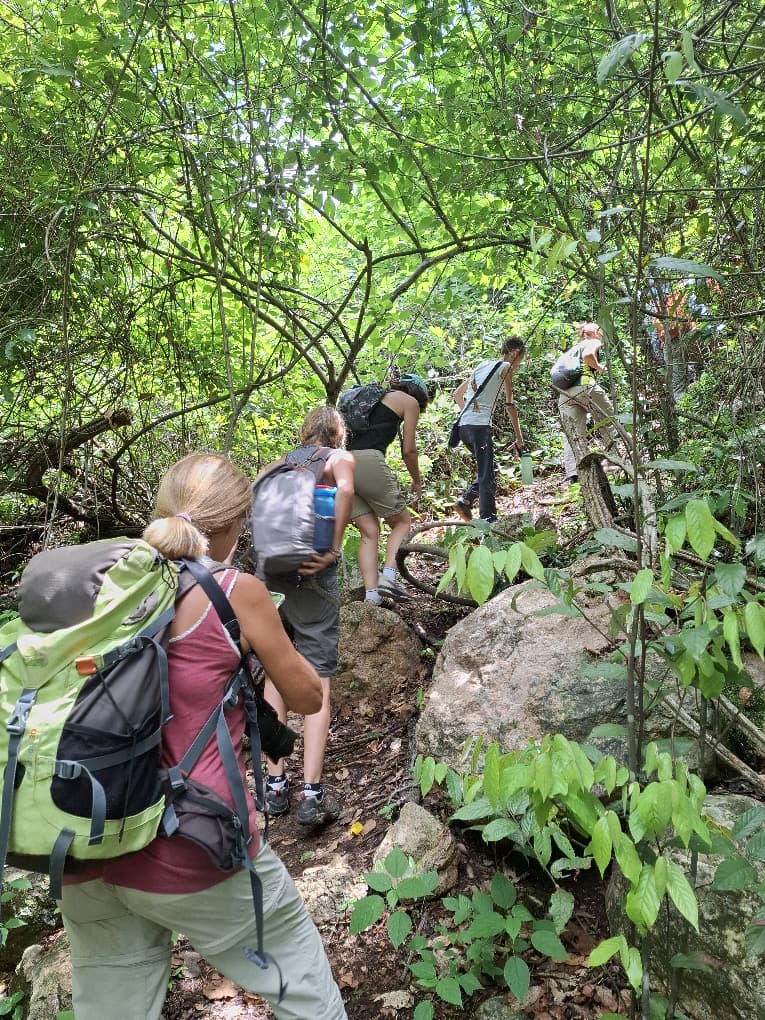
Why Western Tanzania Is a Hidden Eco-Travel Gem
Western Tanzania remains largely untouched by mass tourism due to its remote location and limited infrastructure. This isolation has helped preserve ecosystems and traditional ways of life.
What Sets Western Tanzania Apart
- Low visitor numbers and uncrowded parks
- Strong conservation-focused tourism models
- Diverse habitats, from forests to wetlands and savannahs
- Community involvement in tourism initiatives
This makes the region ideal for eco-conscious travelers who value sustainability over luxury.
Key Eco-Travel Destinations in Western Tanzania
Katavi National Park
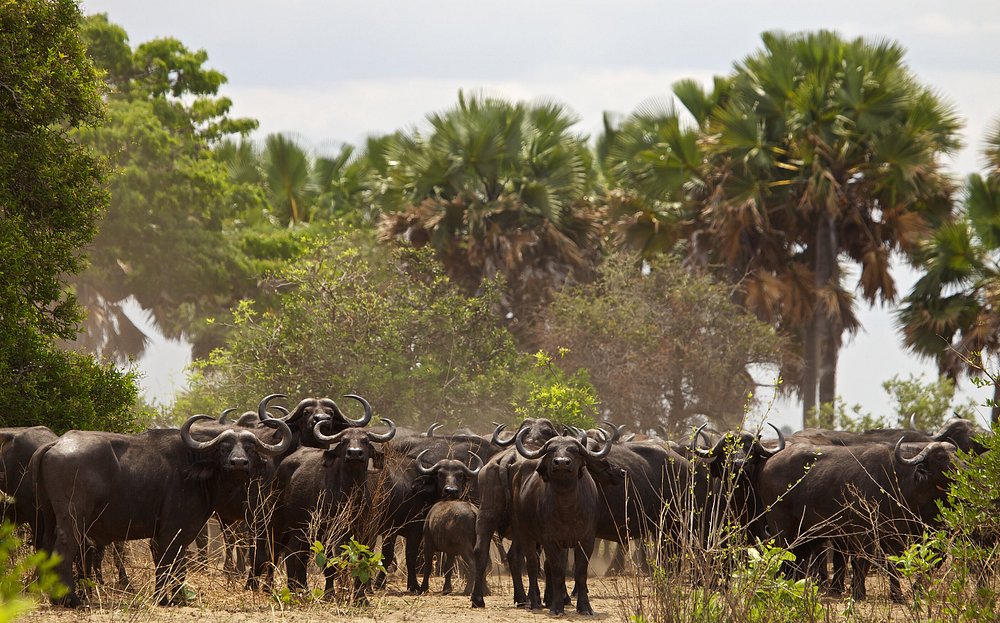
Katavi National Park is one of Tanzania’s most remote and least-visited parks. Known for dramatic wildlife concentrations during the dry season, it offers raw safari experiences with minimal environmental impact.
Mahale Mountains National Park
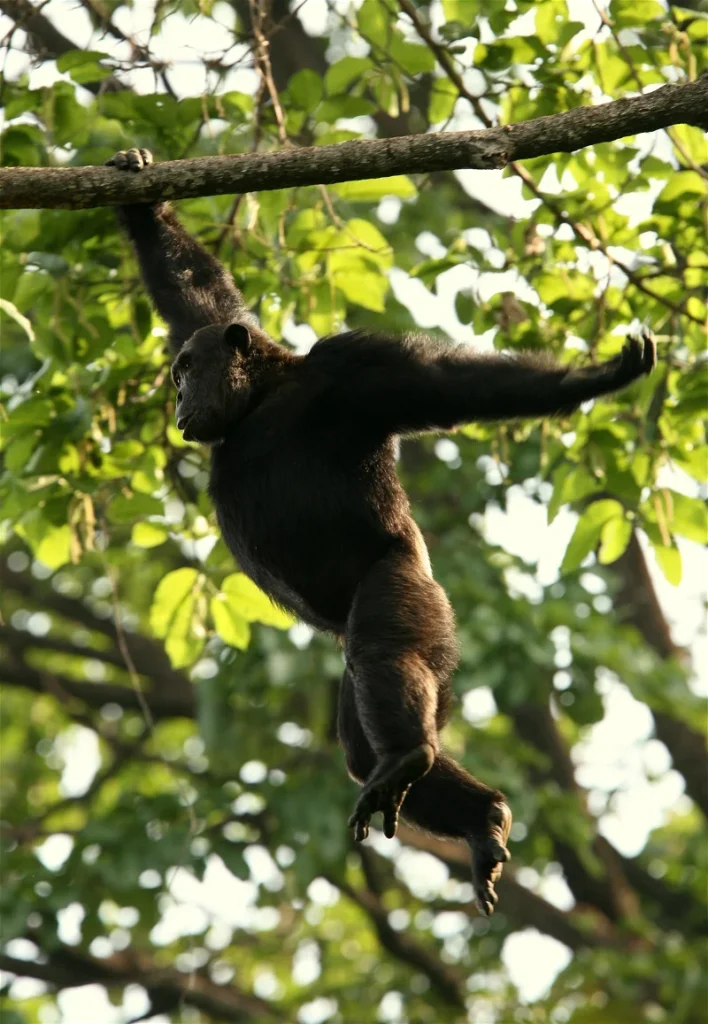
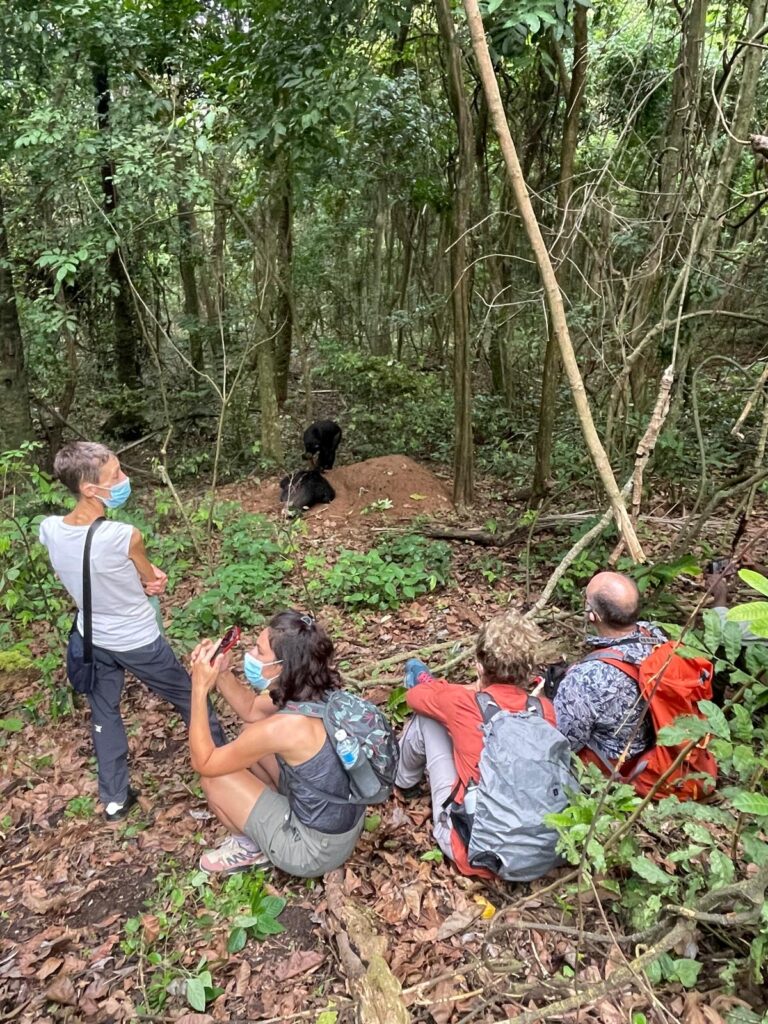
Mahale Mountains National Park lies along the shores of Lake Tanganyika and is famous for its wild chimpanzee populations. Trekking through forested mountains to observe chimpanzees is a conservation-driven experience supported by strict visitor limits.

Gombe Stream National Park
Gombe Stream National Park is one of Tanzania’s smallest parks but holds global significance for primate research and conservation. Eco-travel here focuses on education, protection, and responsible wildlife viewing.
Wildlife Encounters with a Conservation Focus
Eco-travel in Western Tanzania emphasizes ethical wildlife experiences. Visitors observe animals in vast natural habitats without crowding or disturbance.
Responsible Wildlife Experiences
- Guided chimpanzee trekking with trained rangers
- Walking safaris led by local experts
- Birdwatching in wetlands and forest reserves
These experiences support long-term conservation and research efforts.
Community-Based and Cultural Tourism
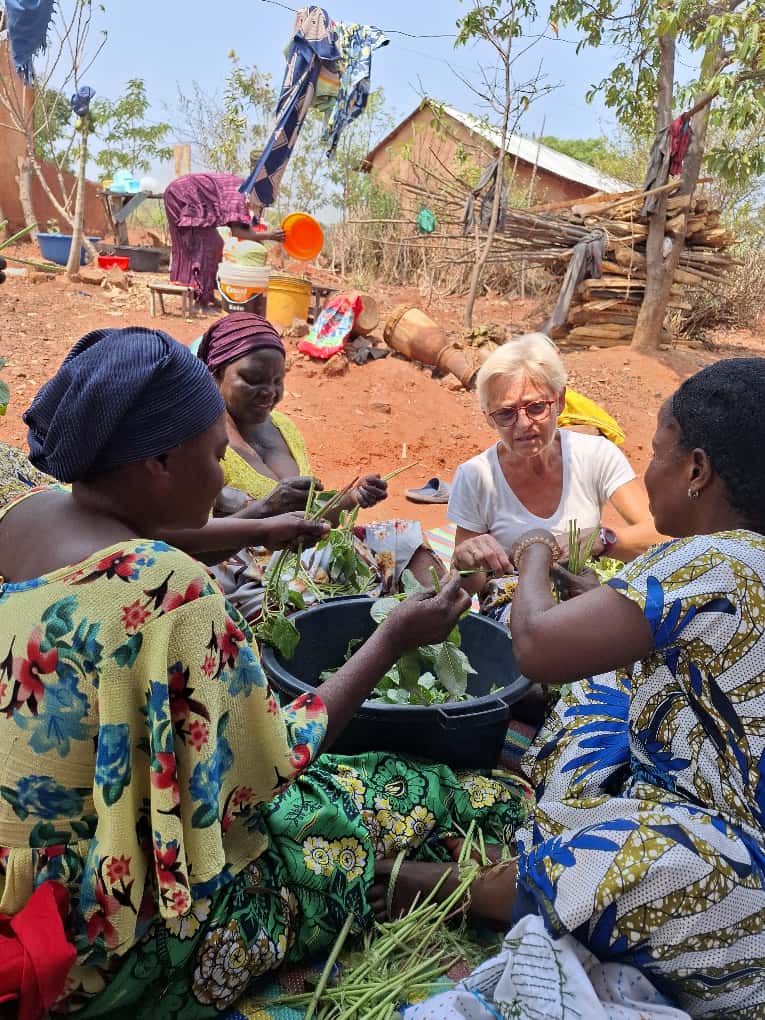
Local communities play a vital role in eco-travel across Western Tanzania. Many tourism initiatives are designed to provide direct economic benefits while preserving cultural heritage.
Ways to Support Local Communities
- Stay in community-run lodges or camps
- Hire local guides and porters
- Participate in cultural visits and traditional activities
Community-based tourism strengthens livelihoods and encourages environmental stewardship.
Sustainable Accommodation in Western Tanzania
Accommodation options in Western Tanzania are typically small-scale and eco-conscious.
What to Expect
- Solar-powered lodges and camps
- Minimal-impact construction
- Locally sourced food and supplies
- Strong waste and water management practices
These lodges prioritize environmental protection while offering comfort in remote settings.

Best Time to Visit Western Tanzania
The best time for eco-travel in Western Tanzania is generally during the dry season (June to October), when wildlife viewing is at its peak and access is easier.
Chimpanzee trekking is also most reliable during this period, though select destinations are accessible year-round.
Travel Tips for Responsible Eco-Travel
- Pack light and use reusable travel items
- Respect wildlife viewing guidelines
- Support conservation initiatives where possible
- Travel with licensed, ethical operators
Preparation and awareness enhance both sustainability and enjoyment.
Conclusion: Preserving Tanzania’s Last Wild Frontier
Eco-travel in Western Tanzania offers a rare opportunity to experience Africa as it once was—vast, untamed, and deeply connected to nature. By choosing responsible travel practices, visitors help protect fragile ecosystems and support communities that act as guardians of this wilderness.
For travelers seeking authenticity, conservation, and solitude, Western Tanzania truly represents pristine wilderness at its best.