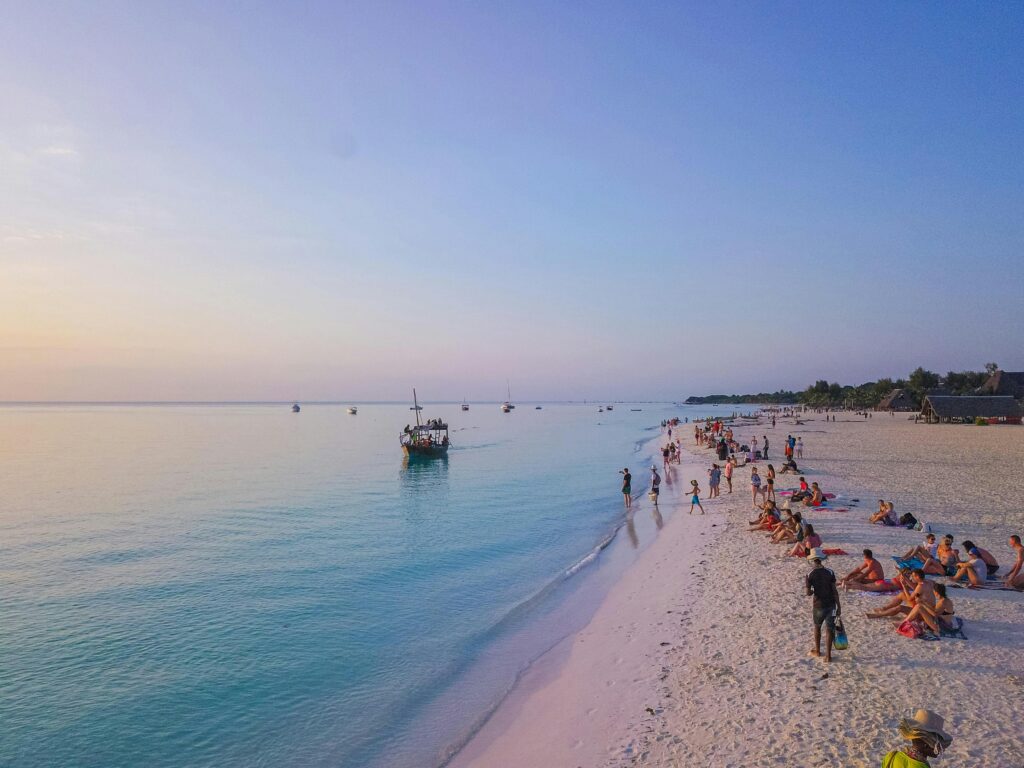
This guide explores what eco‑responsible travel looks like in Zanzibar and how tourists can make a positive impact.
Zanzibar is often pictured as an idyllic escape—turquoise waters, white-sand beaches, spice-scented air, and a rich Swahili culture shaped by centuries of trade. But as tourism grows, so does the responsibility of visitors to protect what makes the islands special. Eco‑responsible travel in Zanzibar isn’t about giving up comfort or adventure; it’s about making thoughtful choices that support local communities and preserve fragile ecosystems.

Understanding Zanzibar’s Environmental and Cultural Context
Zanzibar is an archipelago off the coast of Tanzania, made up primarily of Unguja (commonly called Zanzibar Island) and Pemba. Its economy relies heavily on tourism, fishing, and agriculture—especially spices such as cloves, nutmeg, and cinnamon.
At the same time, Zanzibar faces real environmental challenges:
- Coral reef degradation from climate change, pollution, and careless tourism
- Waste management issues, particularly plastic waste
- Pressure on freshwater resources
- Cultural erosion as mass tourism expands
Eco‑responsible travel starts with understanding these realities and respecting the delicate balance between visitors and residents.

Choosing Eco‑Friendly Accommodation
Where you stay has a major impact on your travel footprint. Many hotels and lodges in Zanzibar are increasingly committed to sustainability.
What to Look For
- Locally owned or community‑run lodges that reinvest in the local economy
- Solar energy use or other renewable power sources
- Water‑saving systems, such as rainwater harvesting or low‑flow showers
- Waste reduction practices, including composting and plastic‑free policies
Eco‑lodges and small boutique hotels often have a lower environmental impact than large resorts and provide a more authentic experience.

Respecting Marine Life and Coral Reefs
Zanzibar’s reefs are among its greatest treasures, attracting snorkelers and divers from around the world. However, coral ecosystems are extremely fragile.
Responsible Ocean Practices
- Never touch or stand on coral reefs
- Avoid feeding fish or disturbing marine animals
- Use reef‑safe sunscreen free of harmful chemicals
- Choose dive and snorkel operators that follow conservation guidelines
When boating, ensure operators anchor responsibly or use designated mooring buoys to prevent reef damage.
Reducing Plastic and Waste
Plastic pollution is a major issue in Zanzibar due to limited recycling infrastructure. Tourists can play a significant role in reducing waste.
Simple Ways to Help
- Bring a reusable water bottle and refill where safe
- Say no to plastic straws, bags, and cutlery
- Carry a small reusable shopping bag
- Dispose of waste properly and avoid littering
Some travelers even participate in local beach clean‑ups, combining tourism with direct environmental action.
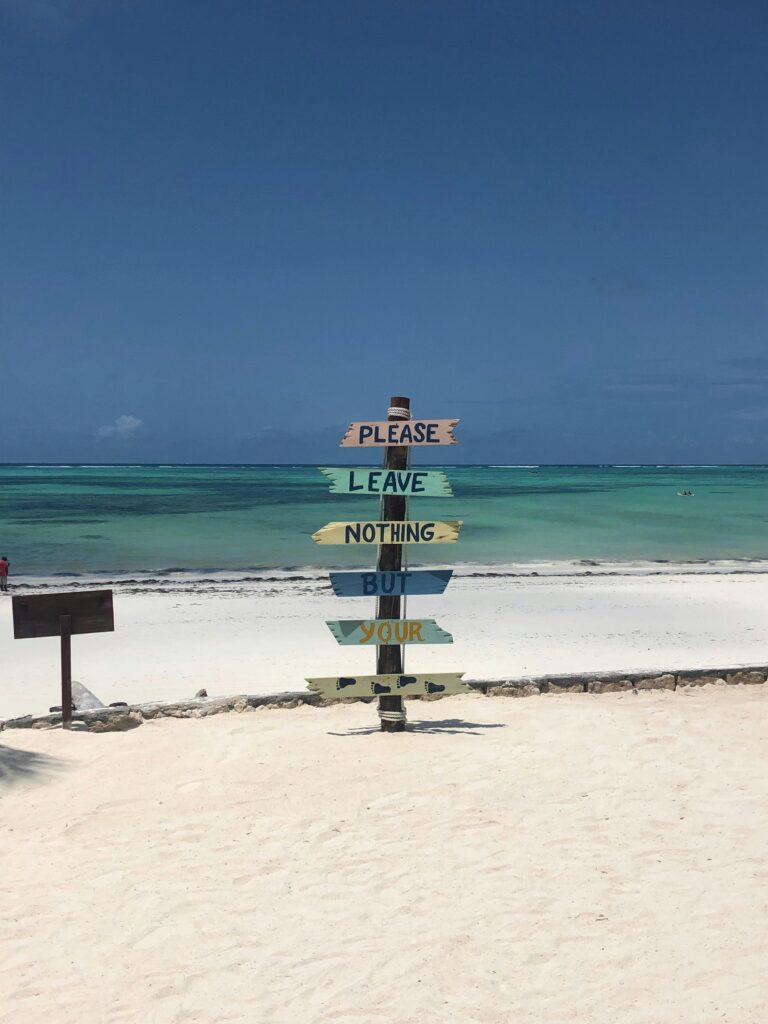
Supporting Local Communities and Businesses
Eco‑responsible travel is also about social sustainability—ensuring tourism benefits local people.
How to Travel More Responsibly
- Buy souvenirs made by local artisans rather than mass‑produced imports
- Eat at local restaurants serving Swahili cuisine
- Hire local guides for tours and excursions
- Respect fair pricing without aggressive bargaining
This approach helps preserve traditional skills, supports families, and keeps money within the community.
Cultural Respect and Ethical Tourism
Zanzibar has a predominantly Muslim population, and cultural sensitivity is essential.
Cultural Tips for Visitors
- Dress modestly in villages and Stone Town (cover shoulders and knees)
- Ask permission before photographing people
- Learn a few Swahili phrases as a sign of respect
- Observe local customs during religious events and holidays
Ethical tourism means being a respectful guest rather than just a consumer of experiences.

Responsible Wildlife Encounters
Not all animal attractions are eco‑friendly. Some can exploit wildlife under the guise of tourism.
What to Do Instead
- Avoid attractions that allow handling or forced interaction with wild animals
- Visit conservation‑focused sanctuaries and protected areas
- Choose tours that emphasize education and conservation, such as guided forest walks
For example, when visiting forests or marine areas, prioritize operators that actively support habitat protection.
Sustainable Transportation Choices
Transportation contributes significantly to carbon emissions.
Greener Options in Zanzibar
- Walk or cycle where possible, especially in Stone Town
- Share transfers or tours with other travelers
- Use local transport responsibly rather than unnecessary private trips
While flying is often unavoidable, conscious choices on the ground can still reduce your overall impact.
Giving Back Beyond Your Trip
Eco‑responsible travel doesn’t have to end when your vacation does.
Long‑Term Positive Impact
- Support Zanzibar‑based environmental or social initiatives
- Share responsible travel practices with other travelers
- Leave honest reviews highlighting eco‑friendly businesses
Even small actions can influence future tourism trends.
Conclusion: Traveling with Care in Paradise
Zanzibar’s beauty lies not only in its beaches and reefs, but also in its people, culture, and natural balance. Eco‑responsible travel is about protecting that balance—so future generations can experience the same magic.
By making mindful choices about accommodation, activities, consumption, and cultural respect, tourists can enjoy Zanzibar while contributing to its long‑term sustainability. Responsible travel isn’t about perfection—it’s about awareness, respect, and a genuine desire to leave a place better than you found it.