
When travelers think of Tanzania, their minds often go straight to the Serengeti, Ngorongoro Crater, or Mount Kilimanjaro. While these destinations are iconic, a new form of travel is emerging that promises a deeper connection, greater sustainability, and lasting impact: eco-cultural tourism.
As the world shifts toward responsible and meaningful travel, Tanzania is at the forefront of this movement. Here’s why eco-cultural tourism isn’t just a trend—it’s the future of travel in Tanzania.

1. Protecting Nature While Traveling
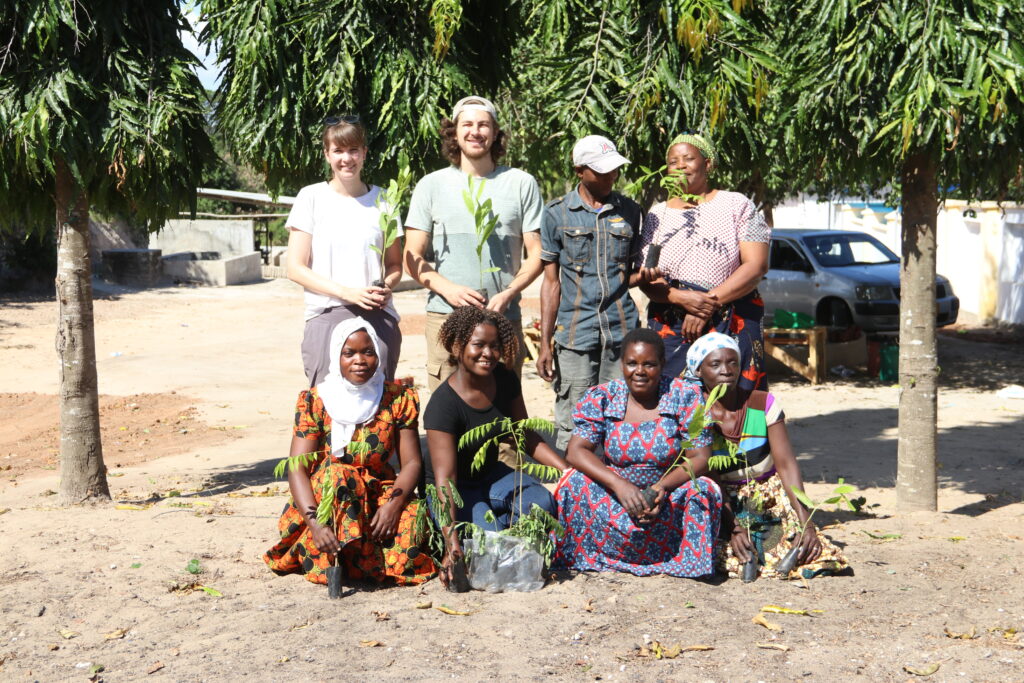
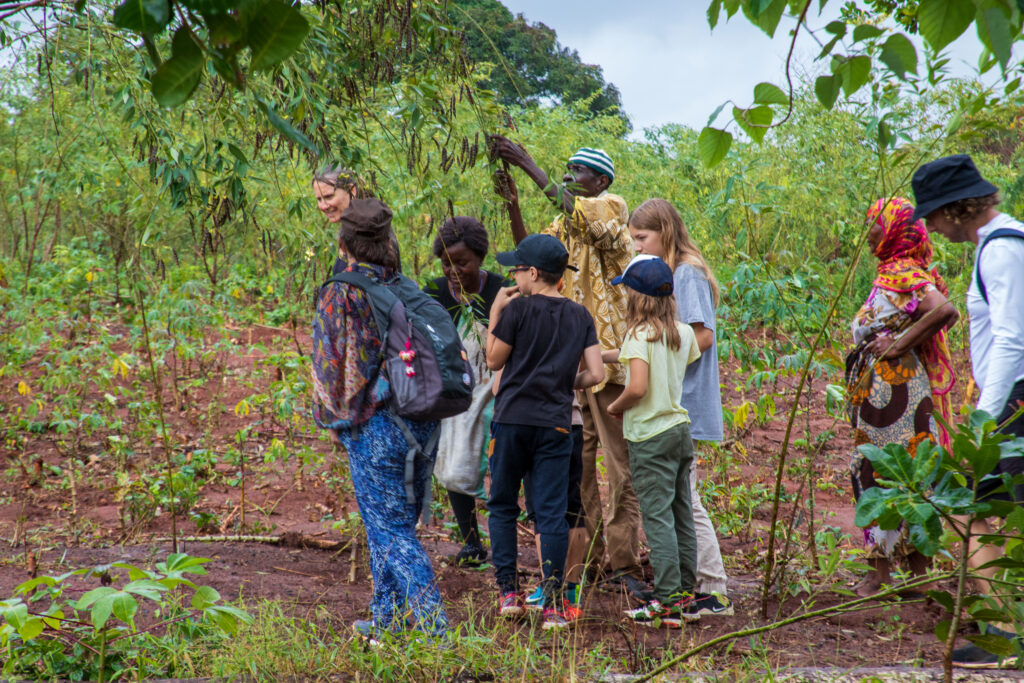
Eco-cultural tourism places conservation at the center. Instead of mass tourism that strains wildlife habitats and forests, eco-cultural initiatives like Pugu Hills Eco Cultural Tourism promote small-group, low-impact experiences.
Visitors hike ancient forests, explore biodiversity, and learn about conservation while directly supporting local projects that protect ecosystems. This ensures that future generations will also enjoy Tanzania’s natural wonders.
2. Empowering Local Communities
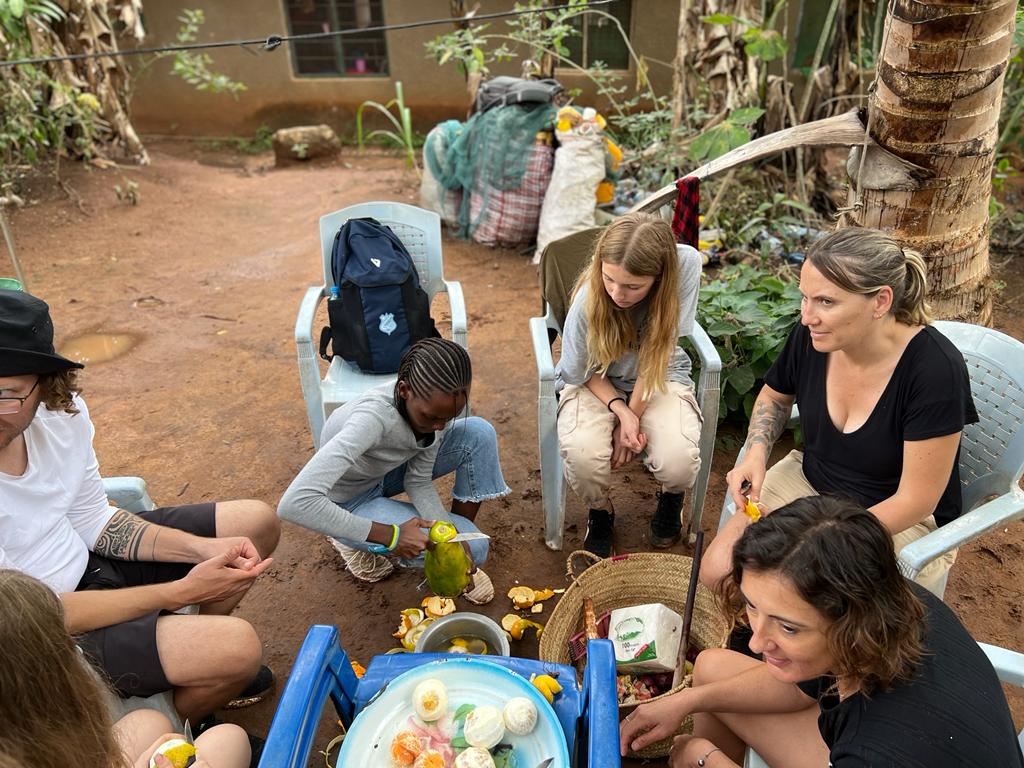
Traditional tourism often bypasses local communities, but eco-cultural tourism makes people the heart of the experience. Travelers stay in homestays, eat food prepared by women cooperatives, and engage in cultural performances and storytelling.
This model provides income for women and youth, reduces poverty, and creates alternative livelihoods that reduce reliance on destructive practices like charcoal making. Tourism becomes not just travel, but community empowerment.

3. A Taste of Living Culture
Unlike standardized hotel stays, eco-cultural tourism immerses visitors in authentic traditions. In Tanzania, this means:
- Tasting Swahili cuisine influenced by Indian and Arab traders since the 13th century.
- Learning how the kitchen is a sacred place for women, representing healing, reconciliation, and pride.
- Participating in music, dance, and storytelling, experiences that preserve heritage while delighting visitors.
This cultural exchange creates memories far deeper than a safari photo—it creates human connection.
4. Meeting the Demand for Responsible Travel
Globally, travelers are demanding experiences that are sustainable, ethical, and authentic. According to UN Tourism, eco- and community-based tourism is among the fastest-growing sectors.
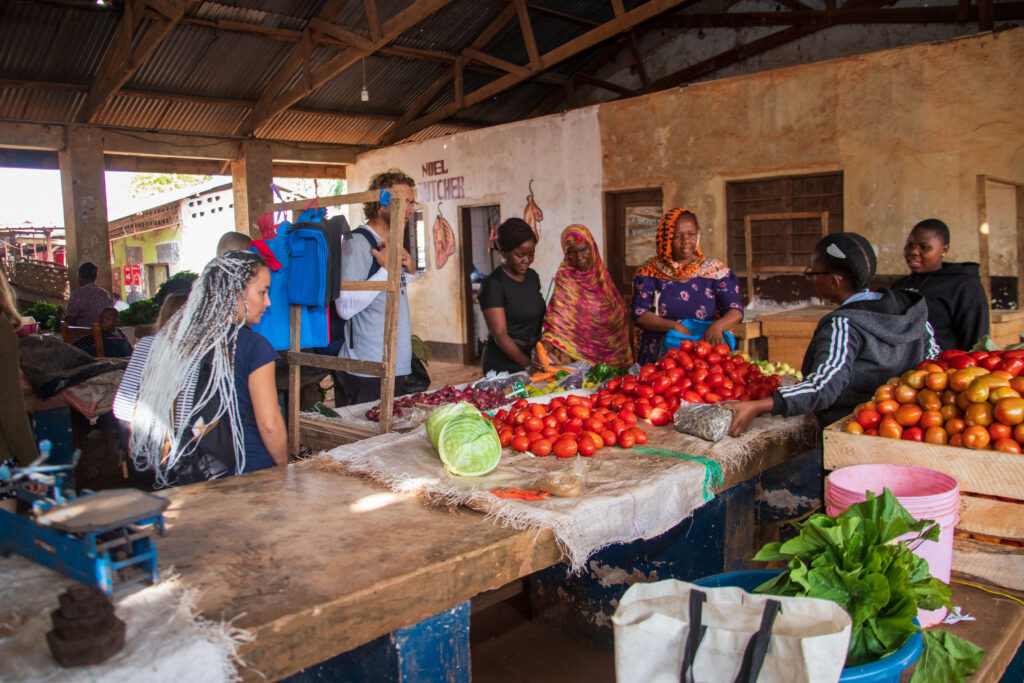
For Tanzania, this is a chance to diversify beyond wildlife safaris and beaches, positioning destinations like Pugu Hills, Kisarawe, and coastal villages as unique cultural hubs. Eco-cultural tourism meets modern traveler expectations while preserving traditions.
5. Tourism with a Purpose
The future of travel is about leaving a positive footprint. Eco-cultural tourism in Tanzania ensures that every trip supports:
- Environmental conservation
- Cultural preservation
- Gender equality and youth empowerment
- Sustainable livelihoods
For travelers, this means journeys that are not only exciting, but also transformative—both for themselves and for the communities they visit.
Conclusion: The Future is Here
Eco-cultural tourism is not just an alternative—it is the future of travel in Tanzania. By choosing eco-cultural experiences, travelers discover hidden gems like Pugu Hills, enjoy authentic cultural exchanges, and contribute to a more sustainable, inclusive tourism industry.
So next time you plan a trip to Tanzania, look beyond the ordinary. Choose travel that changes lives—yours and theirs.