
Experience Africa’s Wildlife Without Leaving a Footprint
Serengeti National Park, one of the world’s most iconic safari destinations, is renowned for its vast plains, dramatic wildebeest migration, and abundant predators. But with rising tourism comes a responsibility: how can travelers enjoy this incredible ecosystem through sustainable safaris in Serengeti while minimizing their impact?
The answer is eco-friendly safari Tanzania experiences—a way to explore Serengeti responsibly, support conservation, respect wildlife, and benefit local communities. Here’s your complete guide to low-impact safaris in Serengeti National Park.
1. Understanding Eco-Policies in the Serengeti
The Serengeti is protected under strict Tanzanian regulations to preserve its wildlife and habitats:
- Visitor limits: Certain areas, like the Western Corridor and Seronera, control the number of safari vehicles to reduce stress on animals.
- Zoning for wildlife conservation: Some regions are reserved exclusively for wildlife breeding or migration, minimizing human interference.
- Waste management: Eco-friendly lodges follow strict guidelines to prevent pollution of rivers, forests, and savannas.
- Community involvement: Local communities benefit from eco-tourism fees, which fund education, health, and anti-poaching programs.
Understanding and respecting these rules is the first step toward a responsible travel Serengeti National Park experience.
2. Choosing Low-Impact Tours
Not all safaris are equal—eco-friendly safari Tanzania tours are designed to minimize environmental and social impact. Look for:
- Small group safaris: Fewer vehicles reduce noise, traffic, and wildlife stress.
- Eco-lodges and camps: Accommodations using solar energy, water recycling, and sustainable materials.
- Guided walking safaris: Exploring on foot creates less disturbance and allows for a deeper connection with nature.
- Responsible transportation: Safari vehicles with trained guides follow park guidelines to avoid harming habitats.
By choosing low-impact safaris in Serengeti, travelers help preserve the park for future generations.
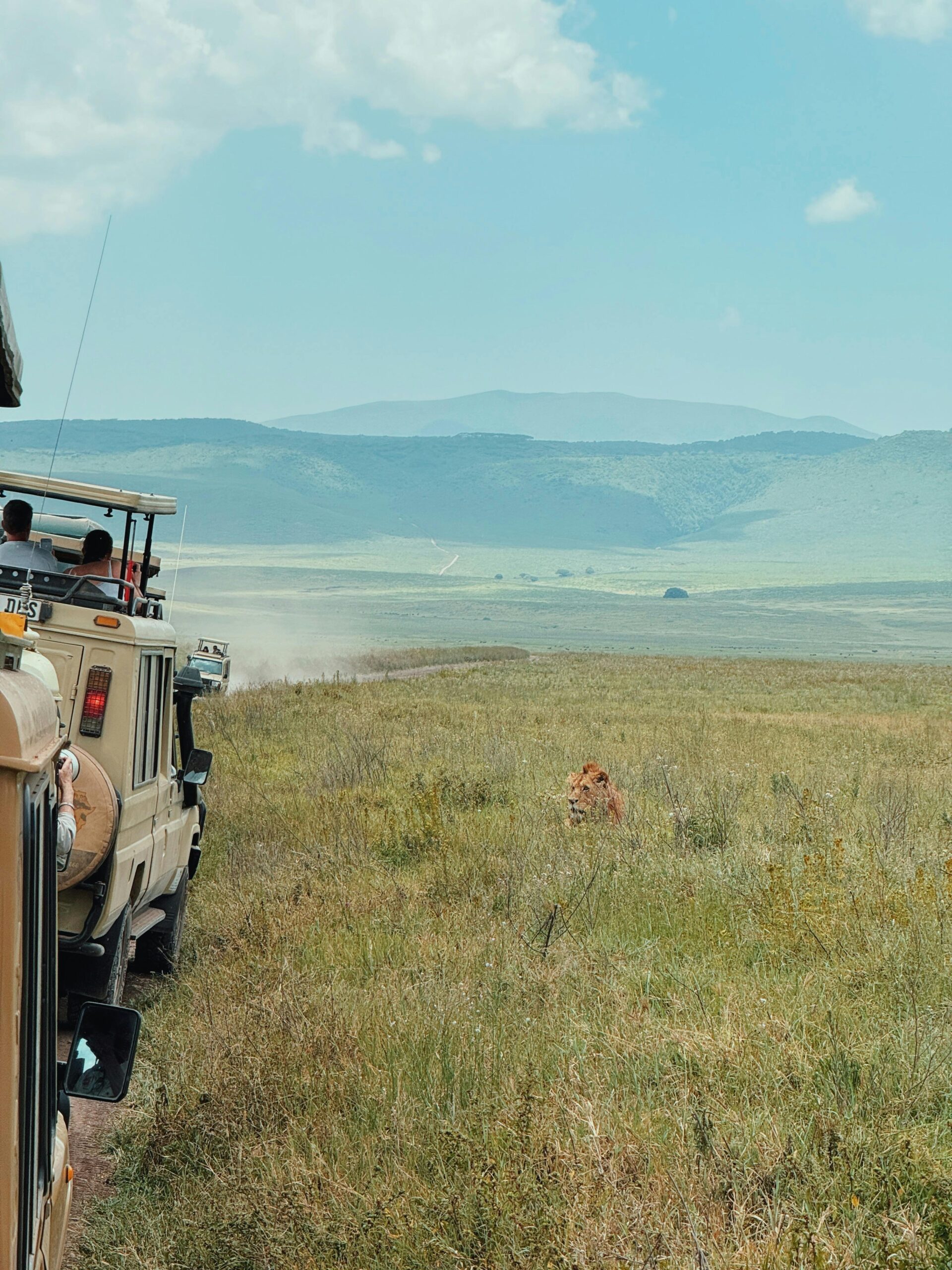
3. Ethical Wildlife Viewing
Sustainable safaris prioritize the wellbeing of animals over the perfect photo:
- Keep distance: Avoid approaching animals too closely, especially predators or young animals.
- Avoid flash photography: It can stress wildlife, particularly at night.
- Don’t feed animals: Feeding disrupts natural behaviors and diets.
- Respect migration patterns: Never block or interfere with herds or predator movements.
- Follow guide instructions: Trained guides know how to observe safely without impacting ecosystems.
Ethical wildlife viewing ensures animals remain healthy and behaviors remain natural—an essential part of eco-tourism experiences in Serengeti National Park.
4. Supporting Conservation Through Your Safari
Every sustainable safari Serengeti contributes to long-term protection:
- Park fees fund anti-poaching patrols and habitat protection
- Eco-friendly lodges contribute to community projects such as clean water, schools, and healthcare
- Sustainable tourism encourages local employment, reducing dependence on hunting or deforestation
By traveling responsibly, you become part of the Serengeti conservation solution.

5. Photography the Sustainable Way
- Use zoom lenses instead of approaching animals
- Capture early morning or late afternoon light to reduce vehicle congestion
- Avoid trampling vegetation for a better angle
- Highlight conservation stories in your photos—share the importance of protecting Serengeti
Ethical wildlife photography is a key part of eco-friendly safari Tanzania experiences.
6. Sample Eco-Friendly Safari Itinerary
Day 1–2: Seronera for predator spotting (lions, cheetahs, leopards)
Day 3: Western Corridor for river crossings and wildebeest migration
Day 4: Walking safari and birdwatching with a local guide
Day 5: Visit a community-led conservation project near the park
This itinerary combines wildlife viewing, education, and low-impact travel—perfect for travelers seeking sustainable safaris in Serengeti National Park.
Final Thoughts
A safari in Serengeti doesn’t just have to be breathtaking—it can also be responsible, sustainable, and transformative. By choosing eco-policies, low-impact tours, and ethical wildlife viewing, travelers help protect Africa’s most iconic ecosystem while enjoying the adventure of a lifetime.
Sustainable safari experiences ensure Serengeti’s magic remains for generations to come.